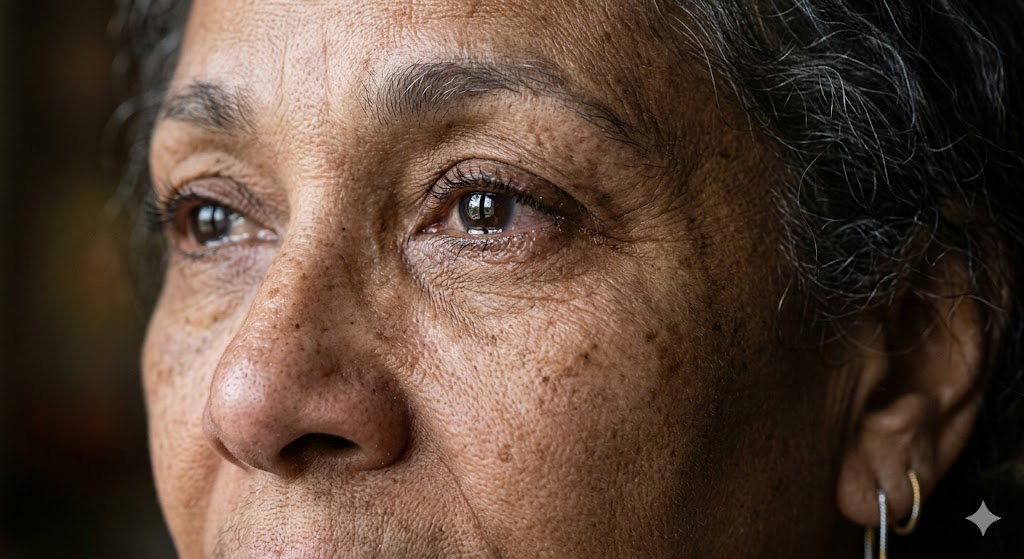
In 2026, the backlash against 'too perfect' AI is here. Audiences now demand 'Authenticity Over Perfection' . To generate believable humans, you must explicitly prompt for imperfections: 'visible pores, micro-texture, slight blemishes, and laugh lines around the eyes' . This blog introduces the MST (Monk Skin Tone) scale, which is critical for avoiding Western beauty bias and ensuring accurate representation . Learn how to use 'Catchlight' prompts to add a reflection in the eyes, making subjects look alive, and how to dial down the 'Joker energy' of AI smiles by asking for a 'subtle closed-mouth smile' or 'relaxed facial expression' . We also cover lighting techniques like 'Rim Lighting' to separate the subject from the background for a professional editorial feel.[28, 29, 22]
Professional Workflows
Escaping the 'Plastic' Look: Prompts for Realistic Skin and Pores
Ditch the airbrushed AI aesthetic. Master the descriptors for realistic skin texture, MST skin tones, and natural facial expressions.
Read Next
Professional Workflows
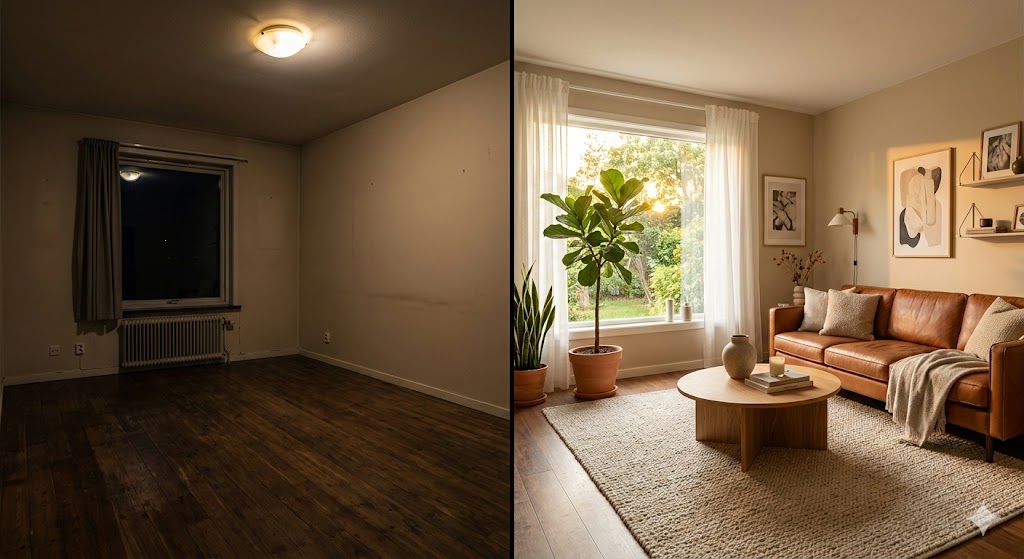
AI Virtual Staging: The Real Estate Agent’s Secret Weapon
Transform empty or cluttered property photos into high-end, staged listings in seconds using semantic text commands.
SEE DETAILS
Future Tech & 3D
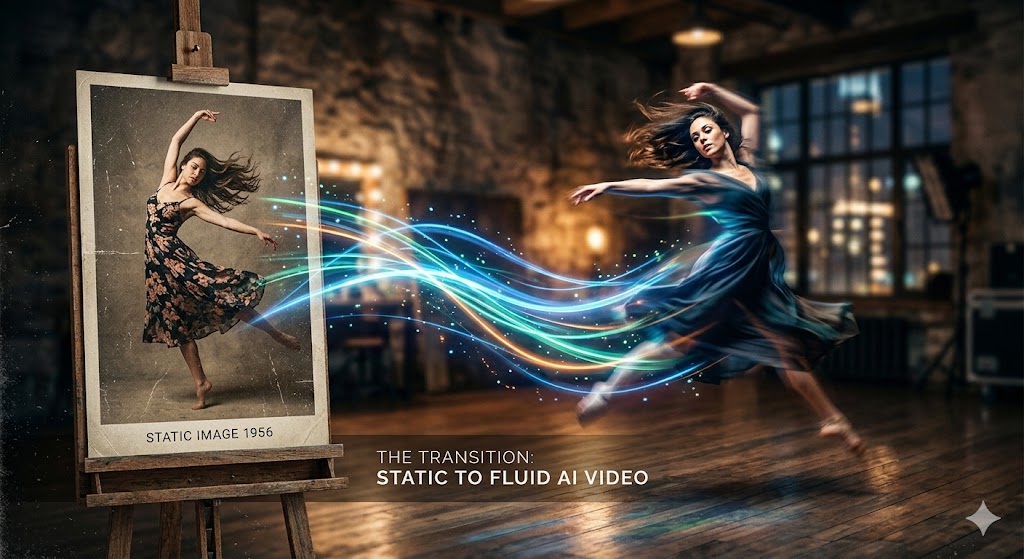
The Future of AI Motion: From Static Prompts to Viral Animation
2026 is the year of Video AI. Learn to animate your static images using 'Motion Transfer' and 'Dynamic Squish' prompts.
SEE DETAILS