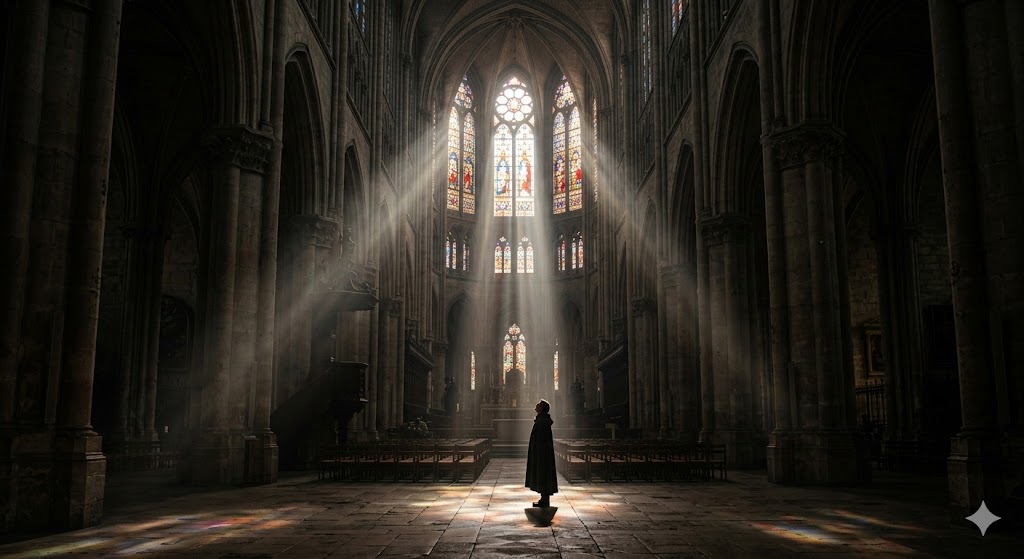
Vague lighting commands like 'good lighting' lead to flat, artificial-looking results. In 2026, professional prompters use the language of cinematography to steer the model. This blog teaches you how to use 'Chiaroscuro' for dramatic light-and-shadow contrast, 'Rim Lighting' to create a glowing outline around a subject, and 'Volumetric Lighting' (god rays) to add physical depth to a scene.[33, 28, 29] We also discuss 'Golden Hour' vs. 'Blue Hour' and how the time of day acts as a 'realism shortcut' by anchoring the image in a familiar visual pattern that humans perceive as authentic.[34] By specifying the light source direction (e.g., 'backlit' or 'side-lit'), you ensure your AI images look grounded rather than like a collage .
Artistic Styles
Cinematic Lighting Mastery: Professional Photography in AI Prompts
Lighting defines the mood of your image. Learn to use terms like Chiaroscuro and Volumetric Fog to elevate your AI-generated art.
Read Next
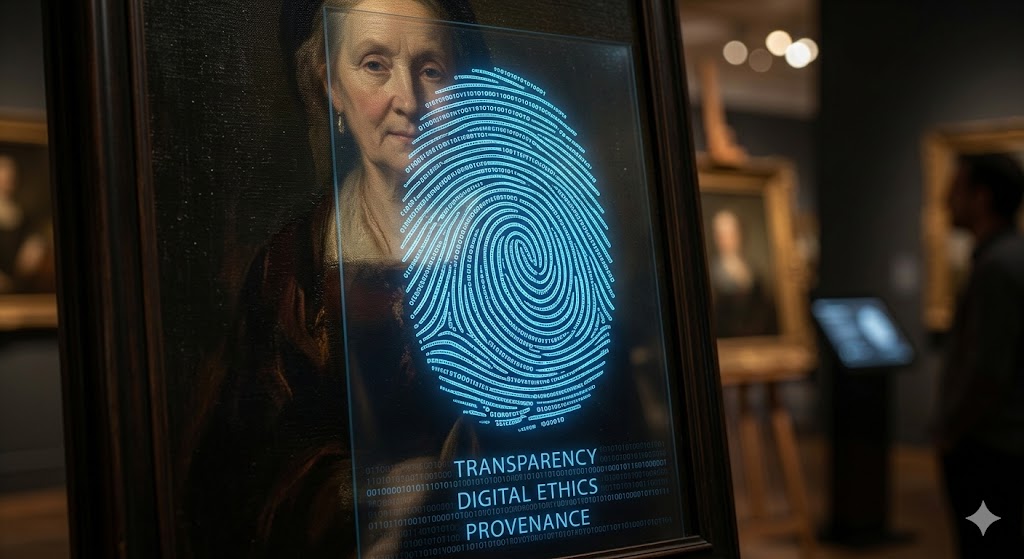
Education & Ethics
Ethics and Bias in AI Art: A Creator’s Guide to 2026 Standards
Navigate the complex legal and ethical landscape of AI generation. Learn about C2PA metadata and bias mitigation.
SEE DETAILS
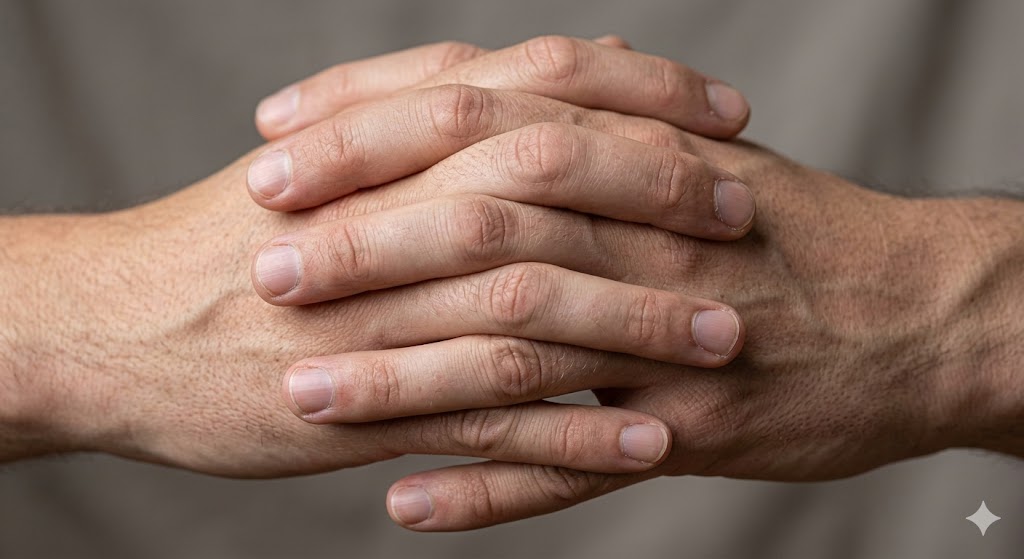
Technical Mastery
A Guide to Fixing AI Hands and Extra Fingers
This guide covers tips and tricks on how to fix common issues with AI-generated hands and extra fingers.
SEE DETAILS